
Why Mobile Games Continue to Attract More Players Worldwide
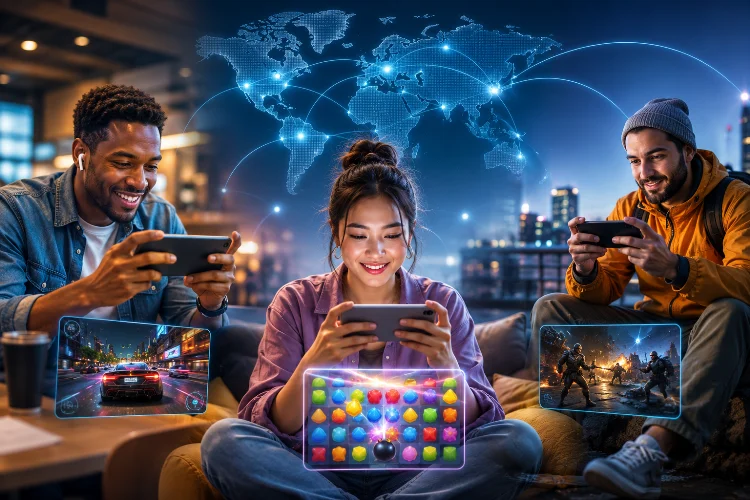
Gaming no longer requires a powerful PC, expensive console, or dedicated setup. For millions of people, the device already sitting in their pocket is enough to start playing within seconds. That convenience has helped Mobile Games become one of the most accessible forms of digital entertainment.
The wider gaming audience is also huge. Newzoo estimated that the global games market reached around 3.6 billion players in 2025, showing just how mainstream interactive entertainment has become.
But accessibility is only part of the story. Modern smartphones offer better performance, game developers release constant updates, and players can choose everything from quick puzzles to competitive multiplayer experiences. Together, these factors make mobile gaming easy to start and surprisingly difficult to ignore.
Smartphones Make Gaming Easy to Access
One major advantage of smartphone gaming is simple: people already carry the hardware.
There is usually no need to buy another device just to try a game. Players can download something during a lunch break, play while commuting, or open a familiar title at home for a few minutes.
The mobile ecosystem itself has also become enormous. Google Play says its gaming platform now offers access to more than 200,000 games across supported mobile and PC experiences.
This huge selection lowers the barrier to finding something that matches almost any interest.
There Is a Game for Almost Everyone
Mobile gaming is no longer limited to simple puzzle titles.
Players can choose strategy games, racing, RPGs, shooters, sports titles, simulations, card games, multiplayer experiences, and relaxing casual games. Someone looking for a two-minute distraction can find one just as easily as a player searching for a game that lasts hundreds of hours.
This diversity helps mobile gaming reach different ages and lifestyles. ESA research in the United States found that nearly two-thirds of people aged 5 to 90 regularly play video games, illustrating how gaming now crosses generations rather than appealing to only one demographic.
Free-to-Play Makes Starting Simple
Another reason mobile titles attract new audiences is the popularity of free-to-play access.
Many games can be installed without an upfront purchase. Players can test the gameplay first and decide later whether they want optional cosmetic items, expansions, subscriptions, or other in-game purchases.
This model removes one of the biggest barriers associated with traditional gaming: paying before knowing whether you will actually enjoy the experience.
However, free-to-play does not mean completely free. Players should still understand how advertisements and optional purchases work and set reasonable spending limits.
Mobile Games Fit Short Playing Sessions
Traditional gaming often feels like something players need to make time for. Smartphone games can fit into time that already exists.
A five-minute puzzle can work while waiting for an appointment. A quick racing match can fill a short break. More involved titles can still offer longer evening sessions.
This flexible behaviour is reflected in industry engagement data. Sensor Tower reported that mobile gaming time spent increased 7.9% in 2024 compared with 2023, while gaming sessions rose 12%.
That suggests players are not simply downloading games—they continue returning to them.
Social Features Keep Players Connected
Playing on a phone does not have to mean playing alone.
Modern games frequently include multiplayer matches, guilds, leaderboards, cooperative events, friend lists, and competitive challenges. These features turn gaming into another way of spending time with people.
Gaming generally has a strong social element. ESA reported that 55% of surveyed players aged 8 to 90 played with others weekly, while 78% believed games could help people form new friendships and relationships.
Mobile devices make that interaction particularly convenient because communication and gameplay happen on the same device.
Frequent Updates Give Players Reasons to Return
Many successful smartphone titles now operate more like ongoing services than finished products.
Developers can introduce seasonal events, new characters, maps, missions, cosmetic items, competitions, and balance updates without releasing an entirely new game.
Sensor Tower identified live-service development as an important mobile gaming trend, with publishers focusing heavily on keeping existing titles active and engaging.
For players, this means a familiar game can continue feeling fresh months or even years after installation.
Better Technology Expands What Mobile Gaming Can Do
Phone hardware and gaming platforms continue to improve.
Better processors, high-refresh-rate displays, faster mobile connectivity, cloud services, and controller support allow developers to create experiences that would once have been difficult to imagine on a phone.
The boundaries between platforms are becoming less rigid as well. Google Play now supports progress synchronization across mobile and PC for compatible titles, letting players continue the same experience on different devices.
That flexibility makes mobile gaming part of a larger gaming ecosystem rather than a completely separate category.
The continued popularity of Mobile Games comes from a combination of convenience, variety, affordability, social interaction, and improving technology. People can start playing almost instantly, choose from thousands of different experiences, and enjoy games in short sessions that fit naturally into everyday life.
Frequent updates and multiplayer features also give existing players plenty of reasons to keep coming back.
As smartphones and cross-device gaming continue to improve, mobile entertainment will likely remain an important gateway into gaming. If you have not explored mobile gaming recently, browse a few different genres—you may find that today’s selection is far broader than you remember.