
Ancient Egypt Slots: The Symbols and Stories Behind Their Appeal
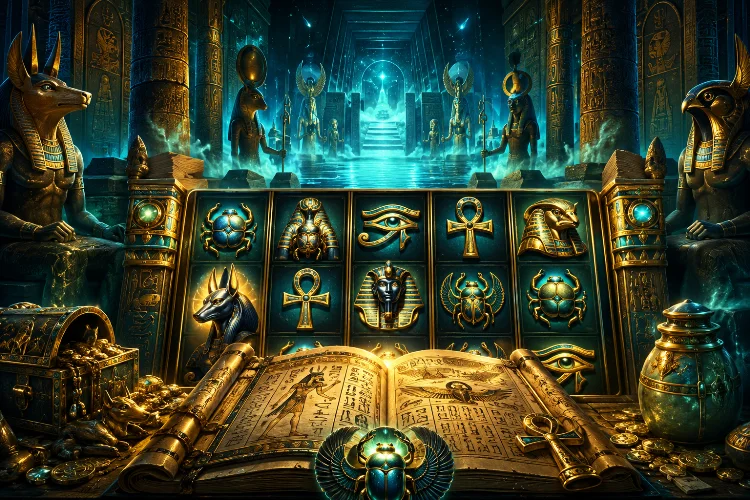
Why do game developers keep returning to pyramids, scarabs, mummies, pharaohs, and mysterious temples when they need a slot theme? Part of the answer is simple: Ancient Egypt already feels like a complete fantasy world before the first reel even spins.
Ancient Egypt Slots can combine real historical imagery with fictional treasure-hunting stories, supernatural mythology, and modern game mechanics. That mixture gives developers plenty of creative freedom while keeping the setting immediately familiar to players.
Ancient Egyptian religion alone provides a deep source of storytelling. The British Museum describes beliefs involving numerous gods and a challenging journey through the afterlife, while surviving funerary texts such as the Book of the Dead contain spells and illustrations connected with that journey.
For a game designer, that is an unusually rich starting point.
Hieroglyphs Make Strong Visual Symbols
Slots depend heavily on icons.
A player needs to recognize symbols quickly as reels move, making bold silhouettes and distinctive shapes especially useful.
Egyptian-inspired artwork works well because hieroglyphs, scarabs, birds, royal figures, and religious objects can look different even at relatively small sizes.
Ancient Egyptian writing developed into the system commonly called hieroglyphics, while surviving artworks combine text and recognizable symbolic imagery.
Developers can use these visual references to create symbols that feel connected to the setting without needing lengthy explanations.
The Scarab Fits Bonus Features Perfectly
Few Egyptian symbols are as recognizable in modern entertainment as the scarab.
Historically, scarabs could function as protective amulets. The Metropolitan Museum notes that they were widely associated with benevolent ideas and could carry symbols relating to life, endurance, royal authority, and protection.
Game designers often reinterpret the scarab much more loosely.
It might become a key, Scatter, Wild, collectible object, or trigger for a bonus round. Play’n GO’s Scroll of Dead, for example, uses scarab imagery as part of both its Wild/Scatter design and a mechanic for unlocking an additional reel.
The historical symbol becomes an intuitive piece of game language.
The Afterlife Adds Mystery and Drama
Ancient Egyptian beliefs about death and the afterlife have fascinated modern audiences for generations.
The British Museum explains that many ancient Egyptians believed the deceased travelled through the Duat on a difficult journey toward the afterlife. The Book of the Dead was not one fixed book but a collection of spells intended to help the deceased navigate that journey.
Those ideas lend themselves naturally to games.
Doors can lead to hidden chambers. Bonus rounds can represent journeys into another realm. Gods can appear as guides or guardians.
The setting already contains suspense without a developer needing to invent an entirely new mythology.
Animal-Headed Gods Are Instantly Memorable
Ancient Egyptian deities also provide unusually distinctive character design.
Gods represented with human and animal characteristics create silhouettes that are immediately recognizable. British Museum resources describe figures such as Osiris, Isis, Horus, and other deities with different responsibilities within Egyptian mythology.
This variety works beautifully on slot reels.
Instead of six similar human characters, developers can create a falcon-headed figure, jackal imagery, royal portraits, scarabs, and ceremonial objects that remain visually distinct.
That improves both theme and readability.
Tutankhamun Helped Turn Egypt Into Pop Culture
Modern fascination with Egypt was not created by video games.
The discovery of Tutankhamun’s tomb in 1922 triggered an enormous cultural response. The Metropolitan Museum says the discovery produced a major period of Egyptomania and helped Egyptian motifs become part of Art Deco design.
The Smithsonian similarly notes that the discovery influenced advertising, product packaging, jewellery, clothing, and architecture.
Movies, books, exhibitions, and games later inherited that visual language.
As a result, the imagery of a golden tomb or mysterious pharaoh already carries cultural meaning before developers add any gameplay.
The Theme Can Support Almost Any Slot Mechanic
A good theme should not limit game design.
Egyptian imagery can support straightforward paylines, cascading symbols, free spins, jackpots, expanding symbols, collecting mechanics, or large dynamic reel grids.
NetEnt’s Mummy Megaways, for example, combines Egyptian tomb imagery with cascading symbols and a variable-reel Megaways structure. Other Egyptian titles use coins, chests, wheels, or temple doors as natural ways to present features.
This flexibility helps explain why the same basic theme can survive multiple generations of slot technology.
Familiarity and Novelty Can Exist Together
Players may recognize the pharaoh immediately, but developers can still change the story.
One game might emphasize archaeology and exploration. Another can focus on mythology. A third might build everything around mummies, treasure, gods, or the afterlife.
That combination is valuable: the theme feels familiar enough to understand instantly but broad enough to avoid using exactly the same visual formula every time.
Play’n GO continues to release new titles within its Egyptian-inspired Dead series, while NetEnt’s current library also includes multiple Egypt-focused games with very different mechanics.
The setting keeps evolving even though its core imagery is thousands of years old.
The popularity of Ancient Egypt Slots is not based on one symbol or one famous game. Their appeal comes from the depth of the setting itself.
Hieroglyphs provide distinctive graphics, scarabs and ankhs offer memorable symbols, Egyptian gods create strong characters, and beliefs about tombs and the afterlife provide built-in mystery. Modern Egyptomania has also kept these images familiar across art, films, exhibitions, and games for generations.
That gives developers an unusual balance of familiarity and creative freedom. When exploring Egyptian-themed titles, compare how each game interprets the history and mythology rather than choosing on artwork alone. Read the game information, understand the mechanics, and keep slot play within a predetermined entertainment budget.