
How to Make Living Solo Feel Intentional Rather Than Simply Independent
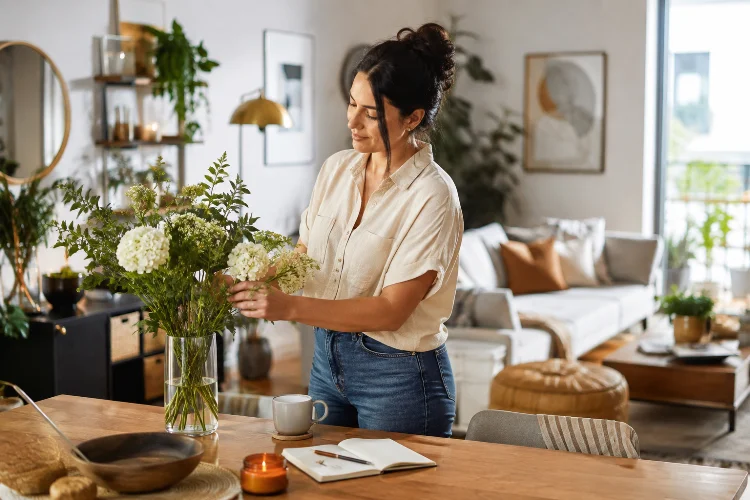
Living alone comes with obvious freedoms. You decide what time dinner happens, what plays on television, how warm the room should be, and whether that chair in the bedroom is technically furniture or permanently reserved for clothes.
But freedom and fulfilment are not exactly the same thing.
Making Living Solo Feel Intentional Rather than simply independent means actively shaping the way you spend your time, use your space, maintain relationships, and care for yourself. Instead of treating solo living as a temporary stage before a partner, bigger home, or different life arrives, you begin making the current version worth enjoying.
The goal is not to become fiercely self-sufficient. It is to build a life that feels deliberately yours while still leaving room for friendship, community, support, and change.
Stop Treating Your Home Like a Temporary Waiting Room
One of the easiest mistakes when living alone is postponing everything.
You will buy better furniture when you move. You will decorate when you have a partner. You will replace those terrible plates eventually.
Years can pass surprisingly quickly this way.
Your home deserves to work for the life you have now.
Move furniture until the room feels comfortable. Hang photographs. Buy decent bedding. Create a corner for reading, music, plants, gaming, or whatever you genuinely enjoy.
You do not need an expensive interior makeover. Intentionality can be as simple as deciding what you want each part of your home to help you do.
Build Personal Rituals Into Ordinary Days
When you share a home, routines often develop naturally around another person.
Living alone means you get to create them yourself.
Maybe Friday evening means cooking something better than your usual weekday meal. Sunday morning could involve coffee, music, and a walk before looking at your phone. Wednesday might become the evening when you call family or watch a film without doing anything productive.
These small rituals give your week shape.
They also make home life feel less like a series of identical evenings between working days.
Intentional routines do not need to be optimised. They simply need to be enjoyable enough that you look forward to repeating them.
Learn to Enjoy Solitude Without Romanticising Isolation
Being comfortable alone is useful.
Being disconnected from everyone is something different.
Mind notes that loneliness is not the same as simply being alone; people can enjoy relatively little social contact and feel content, while someone surrounded by others can still feel lonely.
That distinction matters when you live solo.
A quiet Saturday can feel restorative because you chose it. Another quiet Saturday might feel lonely because you wanted company but did not know who to contact.
The American Psychological Association has also discussed how solitude can provide opportunities to regulate emotions and recover from stress.
Enjoy your own company, but stay honest about when solitude stops feeling restorative.
Put Relationships Into Your Routine
Living alone does not automatically create loneliness, but it does remove some everyday social contact that comes from sharing a household.
That makes relationships worth maintaining deliberately.
The CDC reports that meaningful social connection is associated with benefits including less stress, better sleep, and healthier lives.
You do not need an enormous friendship group or plans every night.
Create a few dependable social anchors. Have dinner with a friend twice a month. Call a sibling on Sundays. Join a weekly class, sports group, or community activity.
The National Institute on Aging also recommends staying connected through regular contact, hobbies, volunteering, community groups, and activities involving other people.
Friendships need some maintenence, even when they feel effortless once you are together.
Create Systems for the Boring Parts of Solo Living
Independence is lovely until the kitchen needs cleaning, groceries disappear, laundry piles up, and four household bills arrive at once.
Small systems prevent your home from constantly demanding attention.
Choose a regular grocery day. Keep a running shopping list. Give cleaning a predictable slot in the week. Automate appropriate bills and reminders.
Reduce Decisions Where You Can
You probably do not need to decide from scratch what to eat every evening.
Keep several reliable meals in rotation. Store basic ingredients. Cook enough for leftovers occassionally.
The same principle works for cleaning and household supplies.
Systems should remove repetitive decisions, not turn your apartment into a productivity laboratory.
The best routine is usually the one you barely notice because it quietly keeps everyday life running.
Make Space for Things That Are Completely Yours
Solo living offers something that can become harder to protect later: control over your time.
Use some of it deliberately.
Learn something. Start painting again. Exercise. Grow herbs. Read. Build something. Take photographs. Learn another language badly for six months and see whether you still enjoy it.
These activities do not need to become side businesses or impressive achievements.
Sometimes a hobby is valuable precisely because nothing depends on being good at it.
Having personal interests also creates identity beyond work and relationship status. If you later enter a relationship or start sharing your home, those interests do not need to disappear.
Independence works best when it creates a richer life rather than simply a more seperate one.
Become Comfortable Doing Things Alone Outside Home
Living independently should expand your options, not shrink your world to the size of your apartment.
Go for lunch alone. Visit an exhibition. Take a day trip. Sit in a café with a book. Go to the cinema when nobody else wants to see the film.
At first, some activities can feel slightly awkward simply because you are used to doing them socially.
Usually, nobody else cares.
Doing things alone means you no longer need another person’s availability before enjoying something.
That does not mean pretending everything is better solo. Some experiences are definately more enjoyable with company.
The useful skill is being able to choose either option.
Make Your Home Social Sometimes
Your apartment can be private without becoming sealed off from everyone else.
Invite people in.
Make dinner, order pizza, watch football, play cards, have coffee, or host something incredibly informal where nobody cares that your dining chairs do not match.
Social connection does not need elaborate planning. The CDC describes supportive relationships with friends, family, coworkers, neighbours, and communities as important components of social connectedness and wellbeing.
Hosting also changes how your home feels.
It becomes somewhere conversations, jokes, meals, and memories happen rather than simply somewhere you return after everything interesting has finished.
Keep Something in Your Life to Look Forward To
Intentional living needs a little anticipation.
Plan things.
Book a weekend somewhere. Start a personal project. Save for something meaningful. Arrange dinner next month. Buy tickets to an event. Decide that in spring you will finally learn how to grow tomatoes without accidentally killing them.
Not every goal needs to transform your future.
Small things on the calendar create momentum and help prevent home life from becoming repetitive.
This is especially useful when you live alone because nobody else is automatically introducing plans into your schedule.
You are not waiting for life to happen around you.
You are participating in creating it.
Review Whether Your Independence Still Feels Good
There is no ideal amount of solitude.
Some people love living alone for decades. Others enjoy it for a few years and eventually want a different arrangement.
Neither choice proves greater independence.
Check in with yourself occasionally.
Do you still enjoy coming home? Are your friendships active? Does your routine give you enough variety? Are you choosing solitude, or have you gradually stopped reaching out?
The CDC distinguishes social isolation—having limited relationships, contact, or support—from loneliness, which is the subjective feeling of being disconnected or not close to others.
Intentional solo living means noticing when the balance needs changing rather than stubbornly proving that you can manage everything yourself.
Making Living Solo Feel Intentional Rather than simply independent comes from actively shaping your home, routines, relationships, and free time. Create rituals you enjoy, maintain meaningful connections, develop personal interests, and let your home become somewhere life actually happens.
Start with one small change this week that makes your current life feel more chosen rather than temporary.