
How to Explore European Coastal Towns Outside Peak Summer Season
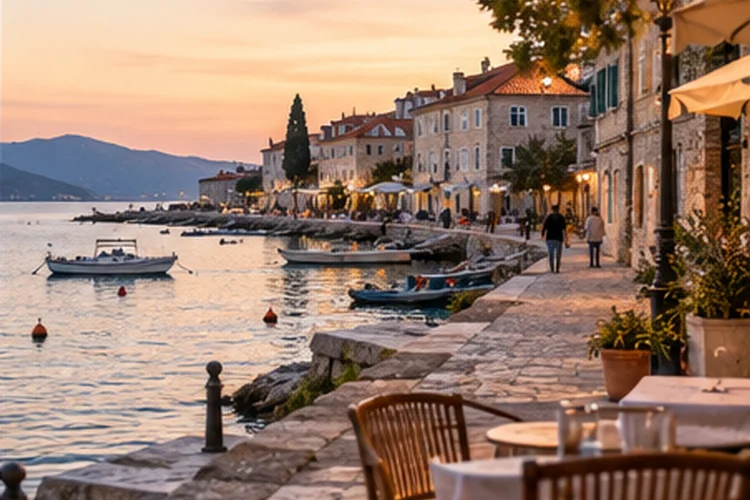
European coastal towns look very different once July and August are over. The beach umbrellas thin out, promenades become easier to walk, restaurant tables are easier to find, and historic streets start feeling like neighborhoods again rather than continuous visitor traffic.
That quieter atmosphere is one reason shoulder-season coastal travel is becoming increasingly appealing.
In 2025, July and August still accounted for 31% of all nights spent in EU tourist accommodation, with especially strong summer concentration in destinations such as Croatia and Greece.
At the same time, European travel research shows growing interest in spreading trips beyond traditional peak months, partly because travelers want better value, fewer crowds, and milder weather.
Learning how to explore European coastal towns outside peak summer season therefore opens up a different kind of trip.
You may swim less often, but you gain space for coastal walks, local food, museums, markets, and slower afternoons by the sea.
Choose the Right Shoulder Season for the Coast
“Outside summer” can mean very different things depending on where you travel.
For Mediterranean destinations, May, June, September, and early October are often useful starting points. Temperatures can be comfortable for walking, restaurants are usually active, and many coastal services are still operating.
Farther north, the useful season may be shorter.
A Baltic or North Sea town can feel fresh and lively in May or September but much colder by late autumn. Atlantic destinations such as western Portugal often remain appealing for longer because the purpose of the trip can include food, culture, surfing, and cliff walks rather than swimming alone.
The European Travel Commission reported in 2026 that travelers were increasingly spreading trips more evenly throughout the year, with climate, affordability, and value influencing destination choices.
So do not choose dates simply because they are labeled “off-season.”
Match the month to the experience you actually want.
Expect a Different Town, Not a Quieter Version of August
A common mistake is imagining that an October coastal town will operate exactly like August, just with fewer people.
Sometimes it will not.
Seasonal beach clubs may close. Boat tours may run less often. Ferry timetables can shrink, and restaurants aimed heavily at summer visitors may reduce their opening days.
That is not necessarily a disadvantage.
The destination simply becomes more focused on everyday local life.
In Croatia, for example, tourism remains highly seasonal: Eurostat reported that 54.5% of the country’s accommodation nights in 2025 were concentrated in July and August.
Yet destinations such as Rovinj actively promote themselves across spring, autumn, and winter, with cultural events, gastronomy, walking, cycling, and other activities extending beyond beach season.
Before booking, check opening hours and local event calendars.
Your trip becomes much easier when you know what will actually be available.
Consider Rovinj for a Quieter Adriatic Experience
Rovinj is one of those places that can feel dramatically different once peak summer crowds begin thinning.
The old town still has narrow lanes, Venetian-influenced architecture, sea views, cafés, and waterfront restaurants, but September and October give you more room to experience them slowly.
The official tourism board promotes cycling, hiking, gastronomy, cultural attractions, wellness, and year-round visits rather than presenting Rovinj only as a beach destination.
Autumn also brings events beyond the traditional summer calendar. In October 2026, for instance, the local program included guided cultural walks, craft experiences, and music events.
That is exactly what shoulder-season coastal travel does well.
Instead of spending every day moving between the sea and a hotel pool, you can combine waterfront walks with local history, regional food, and surrounding Istrian countryside.
Just remember that service availabilty becomes more variable as you move deeper into late autumn.
Try Cascais When You Want Coast Without Seasonal Isolation
Some coastal destinations are easier outside summer because they are closely connected to a major city.
Cascais is a strong example.
The Portuguese town sits on the Atlantic coast but remains linked to Lisbon by frequent rail. The official tourism board highlights its mild temperatures, high number of sunny days, museums, cultural attractions, coastal scenery, and proximity to both Lisbon and Sintra.
That makes Cascais useful for travelers worried that an off-season seaside trip might become too quiet.
You can spend the morning walking the coast, stop for grilled fish at lunch, visit a museum during cooler weather, and still take a train into Lisbon if conditions turn rainy.
This flexibility matters in shoulder season.
Rather than building a holiday around guaranteed beach weather, choose destinations that still offer several good alternatives when the forecast changes.
Explore Puglia’s Coast Beyond the Beach
Southern Italy also rewards travelers willing to separate coastal travel from swimming.
Polignano a Mare in Puglia is famous for its cliffs and compact beach at Lama Monachile, but the town offers much more than a place to sunbathe.
Its historic center, viewpoints, sea caves, regional cuisine, and cultural attractions remain reasons to visit outside the hottest months.
Visit Puglia notes that August is both particularly busy and particularly hot, while the town’s old streets, restaurants, local food, and heritage provide plenty to explore beyond the beach itself.
That makes spring or autumn especially attractive for travelers who enjoy walking.
You can explore the historic center without the intense midday heat, eat local focaccia or seafood, and use Polignano as a base for nearby Monopoli, Alberobello, or other Puglian towns.
The sea becomes scenery rather than the entire itinerary.
Make Coastal Walking the Main Activity
Outside peak summer, coastal paths often become more enjoyable than beaches.
Cooler temperatures can make longer walks practical, especially along cliff paths, harbor promenades, and trails connecting neighboring towns.
Plan days around movement rather than sunbathing.
Walk to a lighthouse. Follow the coastline to another village. Explore an old fishing harbor in the morning and return through residential streets in the afternoon.
This approach works especially well because shoulder-season weather can change quickly.
You might get bright sunshine at breakfast, wind by lunch, and rain later in the afternoon. A flexible route lets you adjust without feeling that the day has been ruined.
Bring a light waterproof layer and comfortable shoes rather than packing only “beach holiday” clothes.
European coastal trips outside summer tend to reward people prepared for changing conditions.
Use Food and Local Events to Replace Beach Time
When the sea is too cold for swimming, food becomes an even better way to understand a coastal town.
Fishing communities often have strong regional dishes, seafood traditions, markets, bakeries, and seasonal ingredients that receive less attention during high summer.
Sit down for lunch instead of rushing back to the beach.
Visit a morning market. Ask what fish is local. Look for harvest festivals, wine events, craft fairs, or seasonal celebrations.
Autumn in particular can combine coastal scenery with food and agricultural traditions from nearby inland areas.
The European Travel Commission has noted that contemporary travelers increasingly value affordability and experiences outside the most crowded periods.
That makes local culture an important part of shoulder-season planning.
You are not simply getting the same holiday for less money. Ideally, you are having a slightly different – and often richer – holiday.
Check Transport and Opening Hours More Carefully
Spontaneity is easier in August because tourism infrastructure is usually running at maximum frequency.
Outside peak season, planning matters more.
Check ferry routes seperately from summer schedules. Confirm whether boat excursions operate on your dates. Look at Sunday transport, museum closing days, and restaurant opening hours before building a tight itinerary.
This is particularly important in smaller island or resort communities.
A bus that runs every thirty minutes in July might operate only several times per day in October.
Consider staying in towns with year-round populations rather than pure seasonal resorts. A working fishing town, university city near the coast, or seaside suburb of a larger city will usually have more stable restaurants, shops, and transportation.
You get the quieter atmosphere without feeling stranded.
Do Not Assume Shoulder Season Is Always Cheap
Travelling outside July and August can reduce accommodation costs, but bargains are not guaranteed.
Popular destinations increasingly attract spring and autumn visitors, and events can create short periods of high demand.
ETC research from 2025 found that 28% of travelers surveyed across major European source markets planned to shift trips toward different months, with crowd avoidance, cost savings, and escaping extreme heat among the main motivations.
As more travelers make that shift, September in a famous coastal town may no longer feel truly “off-season.”
Compare several weeks rather than simply comparing August with September.
A trip in late September may cost significantly more than one in mid-October even though both technically sit outside the main summer peak.
Always check accommodation, flights, and local events together before deciding the best-value dates.
Learning how to explore European coastal towns outside peak summer season is mostly about changing what you expect from the coast.
Instead of guaranteed beach days, you gain quieter promenades, cooler walking weather, local food, cultural events, and a closer look at everyday town life.
Places such as Rovinj, Cascais, and Polignano a Mare show how coastal destinations can remain rewarding even when swimming is no longer the main attraction.
The key is planning around seasonality rather than fighting it.
Check transport schedules, opening hours, weather, and local calendars before booking. Pack for changing conditions and leave your itinerary flexible.
For your next European coastal trip, try shifting the dates a few weeks beyond the obvious summer window. You may discover that the quieter version of the coast is the one you prefer.