
Understanding Seasonal Tourism Patterns Across European Destinations
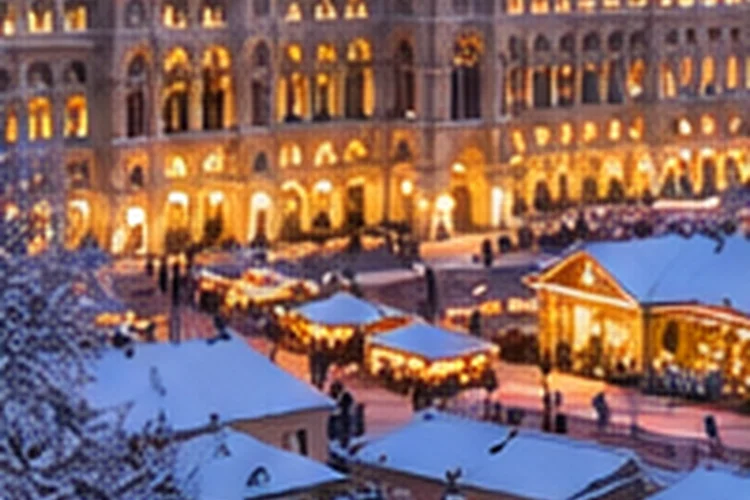
Europe does not really have one travel season. A Greek island in August, Vienna in December, the Finnish north in February, and Lisbon in October can feel like completely different tourism worlds.
Weather is part of the explanation, but it is not the only factor. School holidays, festivals, ski conditions, accommodation prices, flight schedules, and even changing attitudes toward extreme summer heat influence when travelers arrive.
Understanding seasonal tourism patterns across European destinations can make trip planning much smarter.
Eurostat reported that 31.1% of all nights spent in EU tourist accommodation during 2025 occurred in just July and August. August alone recorded about 501 million nights, compared with roughly 139 million in January.
Yet those averages hide enormous differences between destinations.
Some Mediterranean regions become intensely seasonal, while major cities and winter-sports countries attract visitors across a much larger part of the year. Knowing those patterns can help you choose better weather, lower prices, fewer crowds, or a completely different atmosphere.
Summer Still Dominates Much of European Tourism
July and August remain Europe’s heavyweight tourism months.
Long daylight hours, school holidays, warm seas, festival calendars, and reliable transport schedules make summer the easiest time for many people to travel.
The pattern is particularly strong in coastal Southern Europe.
Eurostat found that Croatia recorded 54.5% of its 2025 tourism nights during July and August alone. Bulgaria reached 43.4%, while Greece recorded 41.6%. In Croatia, overnight stays in August were more than 40 times higher than in January.
That creates a very specific summer experience.
Popular Croatian islands, Greek beach towns, and Mediterranean resort areas can have their broadest restaurant opening hours, busiest ferry schedules, and liveliest nightlife during high season.
The trade-off is demand.
Accommodation becomes harder to find, famous beaches fill earlier in the day, and major attractions may require advance reservations.
If your ideal holiday involves swimming, late dinners, and maximum resort activity, peak summer may still make perfect sense. But travelers prioritizing quiet streets and lower costs may prefer another season.
Coastal Destinations Often Have the Sharpest Seasonal Swings
Not every European destination experiences tourism seasonality equally.
Beach-oriented regions usually show much stronger peaks than large urban destinations.
Earlier regional Eurostat data found several coastal areas where more than half of annual tourism nights occurred during July and August. Examples included coastal regions in Italy, Romania, Bulgaria, Greece, France, Croatia, and Sweden.
This happens because coastal tourism depends heavily on suitable weather.
Hotels that are almost fully booked in August can become remarkably quiet by November. Seasonal restaurants may close, ferry frequencies can decline, and smaller seaside communities sometimes operate very differently outside summer.
That is not necessarily negative.
Visiting a Mediterranean town in October can provide quieter streets and pleasant temperatures. But you should check local availabilty rather than assuming every beach club, boat excursion, or seasonal restaurant operates year-round.
Off-season coastal travel is best when you are comfortable exchanging guaranteed resort energy for a slower local atmosphere.
Major Cities Tend to Have Longer Tourism Seasons
Cities behave differently because travelers visit them for more reasons.
Museums, architecture, shopping, conferences, concerts, restaurants, business travel, Christmas markets, and indoor attractions are not dependent on beach weather.
Eurostat has found that capital regions tend to show lower seasonality than many leisure-oriented regions.
In previous regional analysis, capital areas including Madrid, Rome, Vienna, Prague, Budapest, Brussels, and Warsaw were among the least seasonal areas within their respective countries.
This makes city breaks much easier to plan outside summer.
Rome in February will obviously feel different from Rome in June, but the city does not disappear. Vienna, Paris, Madrid, Berlin, and Prague continue offering cultural attractions throughout the year.
Autumn can be particularly appealing.
Museums remain open, neighborhoods feel active, and cooler temperatures make long walking days easier. Spring offers similar advantages, although Easter holidays and major events can temporarily create high-season conditions.
For urban tourism, calendar events may matter almost as much as weather.
Winter Creates a Second Peak in Mountain and Northern Destinations
January may be Europe’s quietest tourism month overall, but it is definitely not quiet everywhere.
Countries with ski resorts and strong winter tourism can experience an entirely separate peak.
Eurostat specifically notes that destinations such as Austria and Finland benefit from winter tourism, which helps distribute visitors more evenly through the year.
In Austria, only around one-quarter of annual nights were concentrated in July and August in 2025, far below highly seasonal Mediterranean countries.
The Alps illustrate this perfectly.
A mountain village may experience high demand during February ski holidays, become quieter during parts of spring, then fill again for summer hiking.
Northern Europe has another seasonal pattern.
Lapland, for example, attracts winter visitors for snow landscapes and northern-light experiences, while Nordic cities gain an entirely different appeal during the long days of summer.
So “off-season Europe” is always relative.
December might be off-season for an Adriatic beach town while being one of the most important periods of the year for a Christmas-market destination or Alpine resort.
Shoulder Season Is Becoming More Attractive
Spring and autumn have traditionally been called shoulder seasons because they sit between peak summer and quieter winter periods.
Increasingly, however, they are becoming travel seasons in their own right.
The European Travel Commission reported in 2026 that travelers are spreading trips more evenly across the year and showing stronger interest in shoulder-season travel. Value, safety, and climate considerations are all influencing destination decisions.
This trend is not difficult to understand.
September in Southern Europe can still provide warm weather without quite the same July crowds. May can offer long daylight hours before the hottest temperatrues arrive.
Prices may also be more attractive, although shoulder season no longer guarantees bargains in famous destinations.
The biggest advantage is often atmosphere.
Cities can feel lively without being overwhelmed, restaurants are usually open, transport remains frequent, and outdoor sightseeing becomes much more comfortable.
Heat and Crowding Are Changing Travel Timing
Europe’s tourism calendar is also being influenced by climate conditions.
The European Travel Commission reported that heatwaves and crowding affected traveler experiences during summer 2025.
Around 28% of surveyed travelers said they planned to shift trips toward different months over the following two years, with avoiding crowds, saving money, and escaping extreme heat among the motivations.
Another ETC survey found that 81% of Europeans said the changing climate influenced their travel behavior in some way. Some travelers were paying closer attention to forecasts, seeking milder destinations, or avoiding areas associated with extreme heat.
This could gradually change traditional seasonal patterns.
Instead of automatically choosing southern Spain or Greece in July, some travelers may look toward Scandinavia, the Alps, Baltic cities, or Atlantic destinations.
Others may still choose the Mediterranean but travel in May, June, September, or October.
That does not mean summer tourism is disappearing. The latest Eurostat numbers show exactly the opposite: July and August remain dominant.
But the edges of the season are becoming increasingly important.
Prices Follow Demand, but Not Perfectly
Seasonality affects travel costs, especially accomodation.
When thousands of travelers want the same Mediterranean hotel room during the same August week, prices naturally respond.
Flights often follow similar patterns around school holidays, major festivals, and long weekends.
However, “off-season equals cheap” is too simple.
A city hosting an international conference, football match, music festival, or major Christmas market can become expensive even during an otherwise quiet month.
Ski destinations reverse the normal summer logic entirely. February may be considerably more expensive than November.
This is why it helps to research both the destination’s broad seasonal cycle and the exact dates of your trip seperately.
Check local event calendars before assuming a random autumn weekend will be inexpensive.
For flexible travelers, moving a trip by even one or two weeks can sometimes change both price and crowd levels significantly.
Choose the Season Based on the Experience You Want
There is no universally best month to visit Europe.
The best timing depends on what you actually want to do.
For beach swimming and island nightlife, July or August may justify the crowds.
For city walking, museums, food, and neighborhood exploration, April, May, September, and October can be excellent.
Skiing naturally requires winter conditions, while Alpine hiking belongs mainly to the warmer months.
Even photography changes with the season. Winter brings softer light and fewer visitors to many cities, while summer creates long evenings that can keep streets active until late.
Instead of beginning with “When is Europe cheapest?” ask a more useful question:
What should this trip feel like?
Once you know the answer, seasonal tourism patterns become a planning tool rather than an inconvenience.
Understanding seasonal tourism patterns across European destinations helps explain why the same country can provide completely different travel experiences throughout the year.
Mediterranean destinations remain heavily concentrated in summer, while major cities often attract visitors more consistently.
Alpine and northern destinations can develop important winter peaks, and spring and autumn are becoming increasingly attractive as travelers search for lower crowds, better value, and milder weather.
The smartest approach is not automatically avoiding peak season.
Match the season to your priorities.
Before booking your next European trip, compare monthly weather, accommodation prices, event calendars, transport schedules, and expected crowd levels.
Moving your journey even a few weeks earlier or later may completely change how the destination feels – and sometimes improve the trip far more than changing the destination itself.